
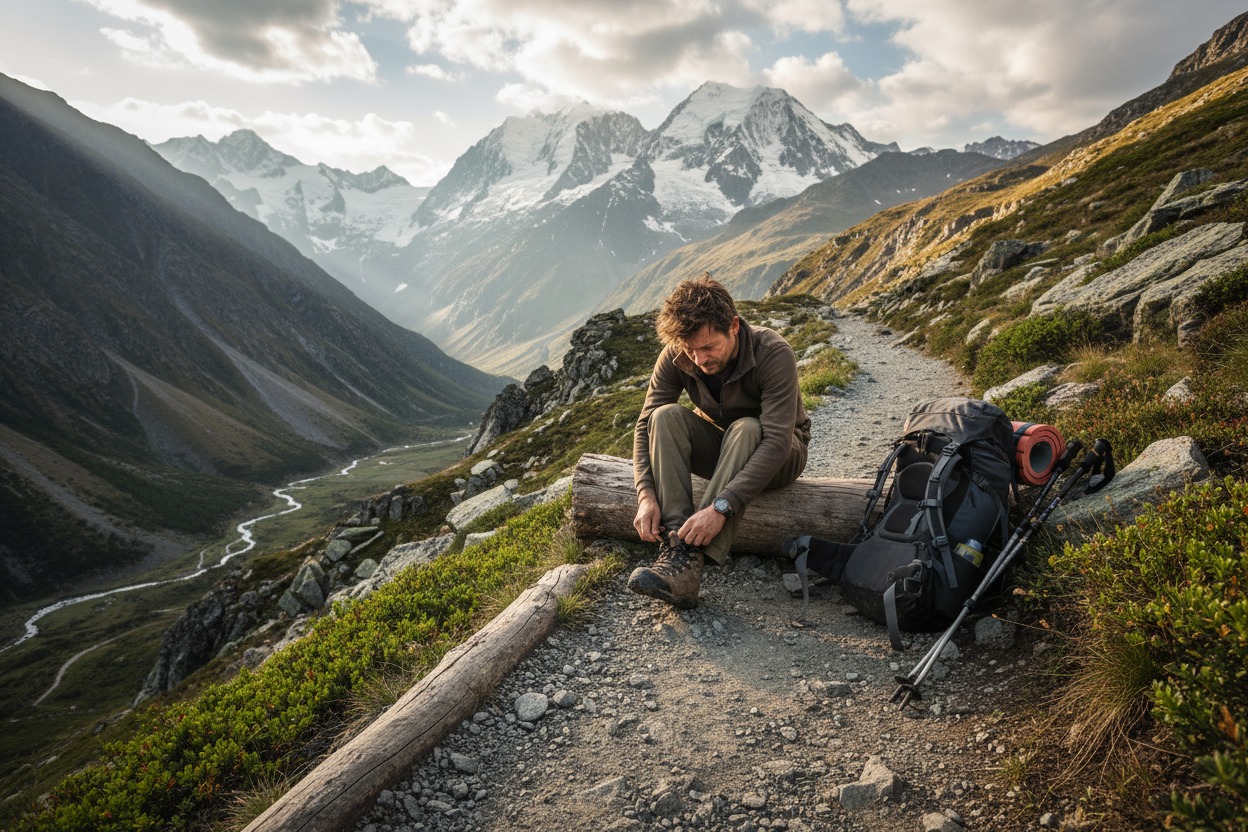
Every experienced trekker remembers their first hike.
The excitement. The uncertainty. The feeling of carrying a backpack that somehow seemed heavier with every kilometer.
Most beginners worry about whether they are fit enough. Surprisingly, fitness is rarely the biggest problem. More often, first-time trekkers struggle because of simple mistakes that are completely avoidable.
The good news is that learning from the experiences of others can save you a lot of discomfort and help you enjoy the journey much more.
Here are some of the most common mistakes we see among new trekkers and how you can avoid them.
Starting Too Fast
One of the most common mistakes is treating the first section of the trail like a race.
Fresh legs and excitement often convince people to move faster than they should. The result is predictable. Within an hour, breathing becomes difficult, energy levels drop, and the rest of the day feels much harder than it should.
Experienced trekkers understand that hiking is an endurance activity rather than a speed challenge.
A good rule is simple: if you feel like you’re moving too slowly during the first hour, you’re probably moving at the right pace.
The goal is not to be the fastest person at the start. The goal is to still feel strong at the end.
Ignoring Hydration
Many people only drink water when they feel thirsty.
By that point, dehydration has often already started.
Even mild dehydration can cause:
- Fatigue
- Headaches
- Reduced concentration
- Muscle cramps
When trekking, it is far better to take small sips regularly throughout the day.
A well-hydrated body performs better, recovers faster, and handles challenging conditions much more effectively.
Wearing Untested Gear
New hiking boots might look great in the shop.
The trail often tells a different story.
Blisters can develop quickly when footwear hasn’t been properly broken in. The same applies to backpacks, trekking poles, and even clothing.
Before any major trek, use all your equipment on shorter training hikes.
The trail is not the place to discover that your boots don’t fit properly.
Focusing Only on Physical Fitness
Many first-time trekkers spend months improving their fitness but completely ignore mental preparation.
Long hikes require patience.
Weather changes.
Trails become difficult.
Plans sometimes change.
A strong mindset often matters just as much as strong legs.
The ability to stay positive and keep moving when conditions become uncomfortable is one of the most valuable skills any trekker can develop.
Final Thoughts
The mountains do not reward speed. They reward consistency.
Most successful trekkers are not necessarily the fittest or strongest. They are the people who pace themselves, prepare properly, and respect the journey.
If you can avoid these common mistakes, your first trekking experience is likely to be far more enjoyable and memorable. the fastest. They are usually the most consistent.