
Have you ever wondered why your body feels completely different after spending six or eight hours on a trail?
A long hike is more than just walking.
It places unique demands on your muscles, lungs, heart, and mind. Understanding what happens inside your body can help you prepare better and enjoy your adventures more.
The First Hour
During the early stages of a hike, your body begins adjusting to increased physical activity.
Your heart rate rises to deliver more oxygen to working muscles.
Breathing becomes deeper and faster.
Muscles warm up and gradually become more efficient.
This is often why many hikers feel stronger after thirty minutes than they do during the first ten.
As the Hours Pass
As time goes on, your body starts using stored energy.
Muscles consume glycogen, which is the fuel stored from carbohydrates.
If energy isn’t replaced through snacks and meals, fatigue begins to appear.
This is often known as “hitting the wall.”
Many hikers mistake this for poor fitness when it is actually an energy management issue.
Hydration Becomes Critical
Water plays an important role in almost every bodily function.
When hiking for several hours, especially in warm conditions, the body loses water through sweat.
Even small levels of dehydration can reduce performance significantly.
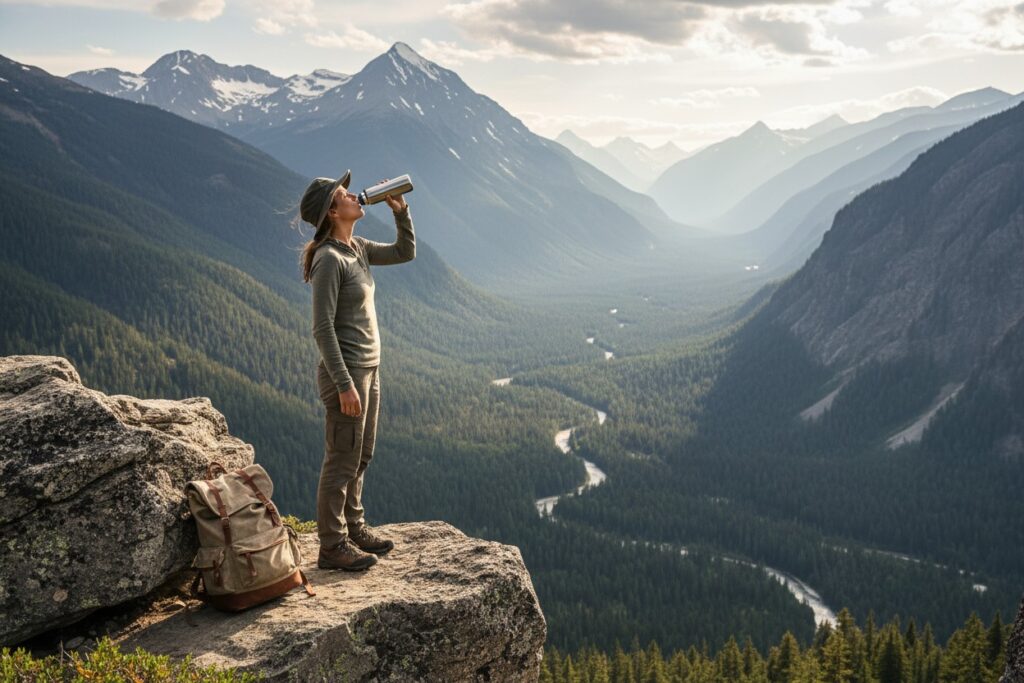
This is why experienced trekkers carry water and drink consistently throughout the day rather than waiting until they feel thirsty.
Mental Fatigue
One of the least understood parts of hiking is mental fatigue.
Long periods of concentration, navigation, changing terrain, and physical effort gradually drain mental energy.
This is why simple decisions often feel more difficult near the end of a long trek.
The mind becomes tired just like the body.
Recovery Begins Immediately
Recovery does not start when you get home.
It starts the moment you stop hiking.
Hydration, nutrition, stretching, and rest all play an important role in helping the body rebuild and adapt.
Interestingly, it is during recovery that your body becomes stronger.
The hike provides the challenge. Recovery provides the improvement.
Final Thoughts
Understanding how your body responds to a long hike allows you to prepare smarter and perform better.
The goal is not to avoid fatigue completely. Fatigue is part of the adventure.
The goal is to manage it well enough that you can continue enjoying the journey.
~Nirmal Wijesinghe